
Language of the day: Exploring Food-Taste and Texture
Living in a multicultural city like Vancouver gives us the unique opportunity to explore cuisine from all over the world. Why not use these experiences to expand our vocabulary too?
In this blog, we’ll share useful adjectives that will help you describe food more clearly. With these words, you’ll be able to express your preferences and talk about your dining experiences with confidence.
Flavors (What you taste)
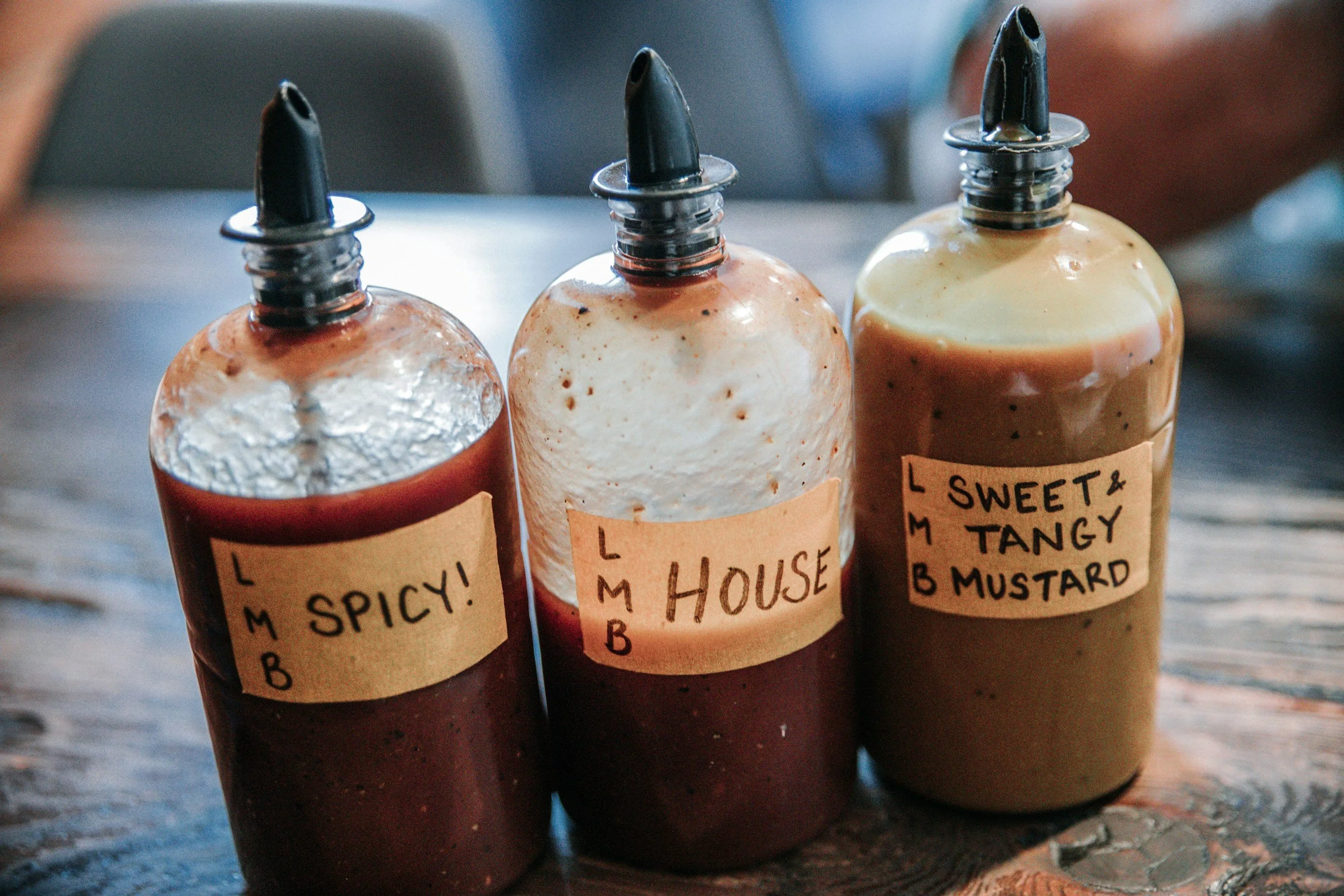
Some examples:
“The soup has a slightly sweet and rich flavor.”
“The sauce is tangy with a bit of spice.”
“The dish was a little bland and needed more salt.”
Sweet – sugary, like desserts
Sour – sharp, like lemon or vinegar
Salty – like chips or fries
Bitter – strong, like coffee or dark chocolate
Savory – rich and meaty, not sweet
Spicy – hot, with a kick
Tangy – slightly sour and fresh
Rich – strong and heavy flavor
Bland – lacking flavor
Textures (How food feels in your mouth)
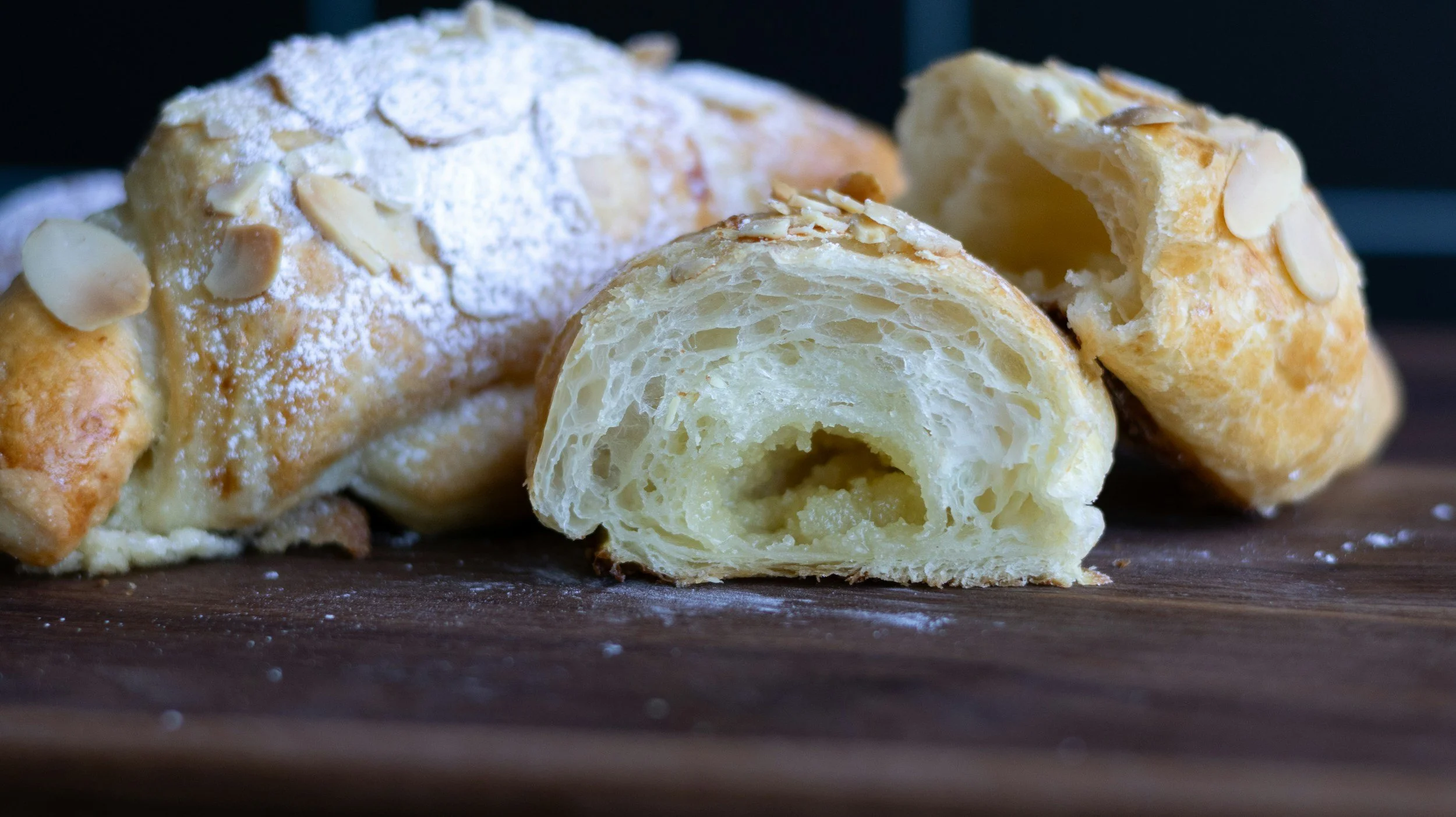
Some examples:
“The cake is sweet and soft.”
“The snack is salty and crunchy.”
“The dish is rich and creamy.”
Crunchy – makes a loud bite (chips, raw vegetables)
Crispy – light and delicate crunch (fried food)
Soft – easy to bite
Creamy – smooth and thick
Chewy – requires sustained chewing to break down
Juicy – full of liquid (fruit, meat)
Dry – lacking moisture
Greasy – oily or fatty
Flaky – breaks into layers (pastries)
Now you’re ready for your next meal! Try using some of these adjectives to describe what you eat and continue practicing your vocabulary.
Final Tip
Flavors = what you taste
sweet, salty, sour, bitter, savory, spicy, tangy
Textures = what you feel
crunchy, crispy, soft, creamy, chewy, flaky, juicy, dry