
IELTS Speaking Topic Guide: Robots
🤖Why “Robots” is a Common IELTS Speaking Topic?🤖
Technology topics are very common in the IELTS Speaking test, and robots often appear because they connect to daily life, the future, work, and society. The examiner is not testing your technical knowledge. Instead, they want to see how clearly and naturally you can express opinions, describe ideas, and discuss the future.
Part 1: Simple Questions About Robots
In Part 1, questions are usually personal and simple. Your answers should be 2–3 sentences long and sound natural.
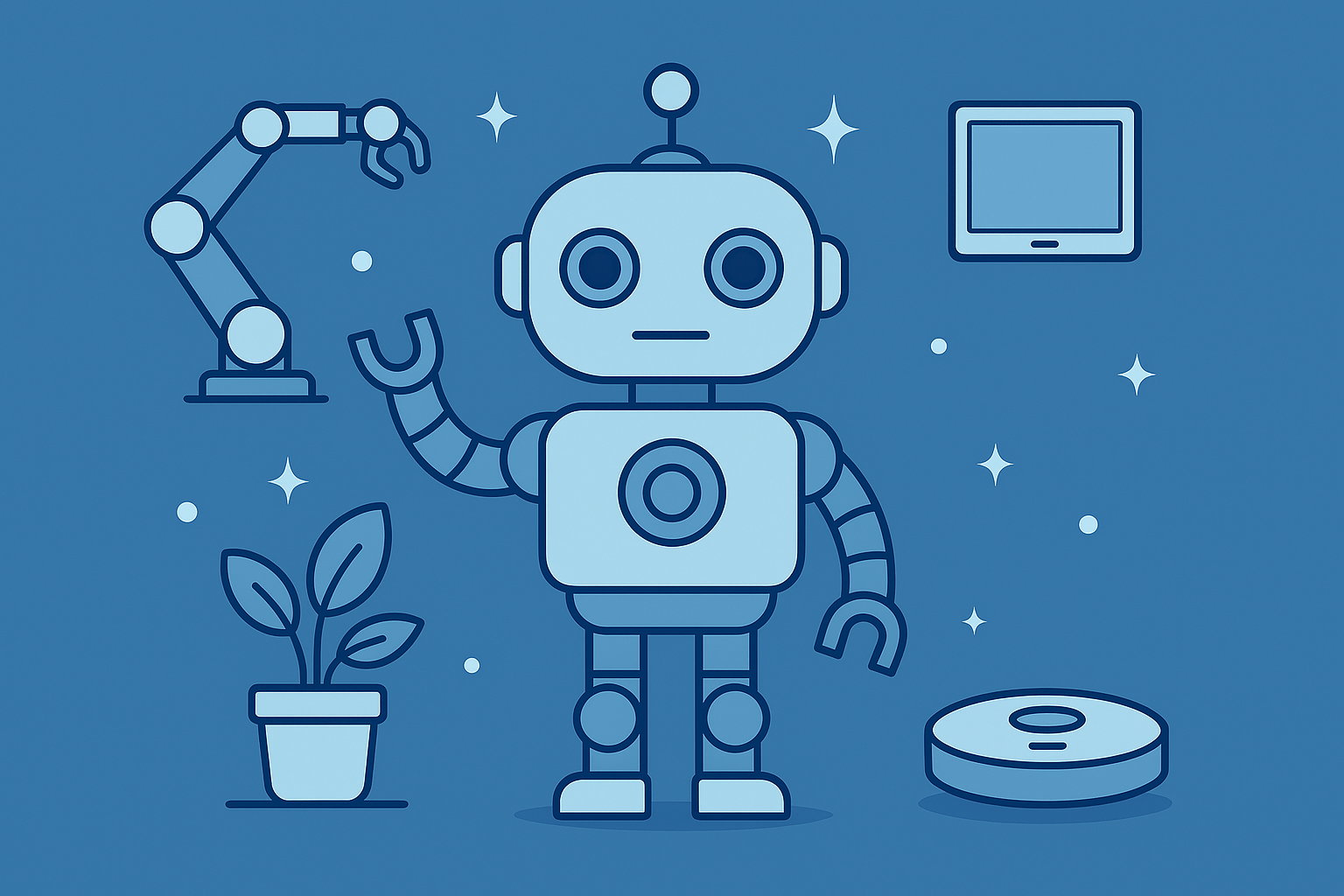
Possible Questions
1. Are you interested in robots?
Example Answer
Yes, I find robots quite fascinating. They are becoming more common in everyday life, especially in industries like healthcare and manufacturing. I think they will play an even bigger role in the future.
2. Do you think robots are useful at home?
Example Answer
Definitely. Robots can help with household chores like vacuuming or cooking, which saves a lot of time. This is especially helpful for people who have busy schedules.
3. Have you ever seen a robot in real life?
Example Answer
Yes, I once saw a robot server in a restaurant. It delivered food to customers’ tables. It was quite impressive and made the dining experience more interesting.
Part 2: Cue Card Topic
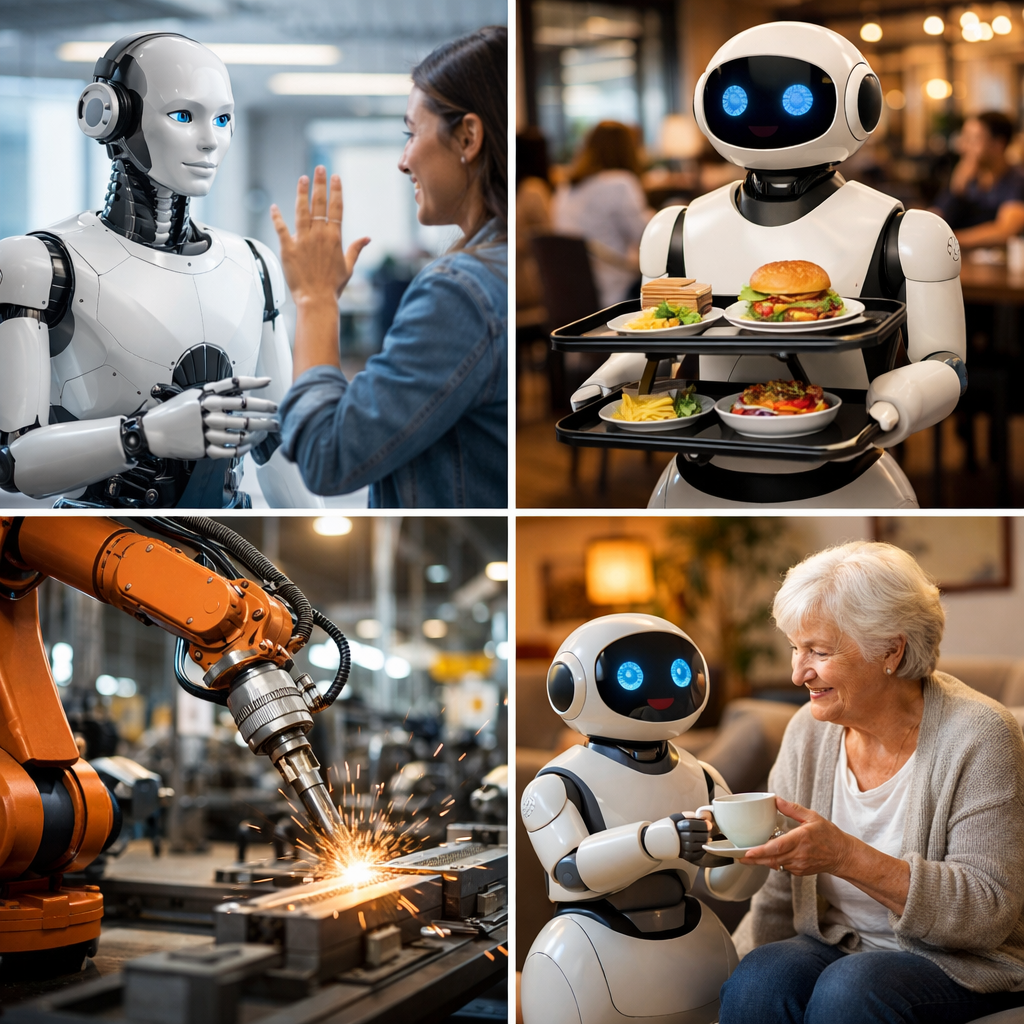
Example Cue Card
Describe a robot you have seen or know about.
You should say:
what the robot is
what it can do
where you saw it
and explain what you think about it
Example Answer
I’d like to talk about a robot vacuum cleaner that I saw at my friend’s house. It is a small, circular device that automatically cleans the floor.
It moves around the house using sensors and can avoid obstacles such as furniture. What impressed me the most was that it can be controlled through a smartphone app.
I saw it when I visited my friend last year, and it was surprisingly efficient. It quietly cleaned the entire living room without any human help.
Personally, I think robots like this are extremely practical because they reduce the amount of time people spend doing housework.
Part 3: Discussion Questions
Part 3 questions are more abstract and require longer answers.
1. How will robots change the workplace?
Example Answer
Robots will probably automate many repetitive tasks, especially in manufacturing and logistics. This could increase productivity and reduce human error. However, it may also lead to job displacement, so workers will need to develop new skills to adapt to technological changes.
2. Do you think robots will replace humans in the future?
Example Answer
I don’t think robots will completely replace humans. While they are excellent at performing mechanical or repetitive tasks, they still lack creativity and emotional intelligence. Therefore, many professions, such as teaching or counseling, will continue to rely heavily on human interaction.
3. Are robots dangerous?
Example Answer
In general, robots are designed to make life easier and safer. However, if they are not programmed properly or used irresponsibly, they could pose certain risks. That’s why strict regulations and safety standards are important when developing advanced robotics.
High-Level Vocabulary to Boost Your IELTS Score
Using advanced vocabulary naturally can help you achieve a Band 7+.
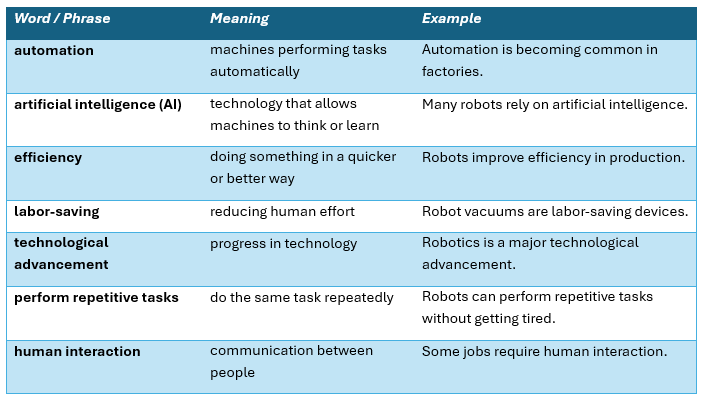
Useful Expressions for Higher Scores
These phrases help you sound more fluent and natural:
Giving opinions
Personally, I believe…
From my perspective…
In my opinion…
Speculating about the future
In the future, robots will likely…
It is possible that robots might…
Adding ideas
Another advantage is that…
On top of that…
Final Tip for IELTS Speaking Success
When discussing topics like robots:
✅ Speak clearly and confidently
✅ Give reasons and examples
✅ Use topic-related vocabulary naturally
✅ Extend your answers instead of giving one-word responses
Remember: The examiner evaluates your communication skills, not your knowledge about robots.
✔️ Pro Tip for Students:
Try practicing this topic by recording yourself answering the questions for 1–2 minutes, just like in the real IELTS Speaking test.