
Language of the Day: Descriptive Words - Texture
The Power of Texture: Descriptive Words That Bring Writing to Life
When we read a story that lingers in our memory, it’s rarely just because of plot alone—it’s because we felt something. Texture is one of the most effective tools writers have for creating that sensory connection. Whether you’re crafting a short story, a blog post, or product descriptions, the right texture words can instantly make your writing more vivid and immersive.
Why Texture Matters in Writing
Texture gives shape to imagination. It engages the reader’s sense of touch, often triggering emotional or physical memories. A “soft blanket” feels comforting, but a “threadbare, scratchy blanket” tells an entirely different story. Texture words help readers experience the scene instead of merely observing it.
Common Texture Categories and Descriptive Words
Below are texture-inspired words grouped by feeling, designed to help elevate your descriptions.
1. Soft and Smooth Textures
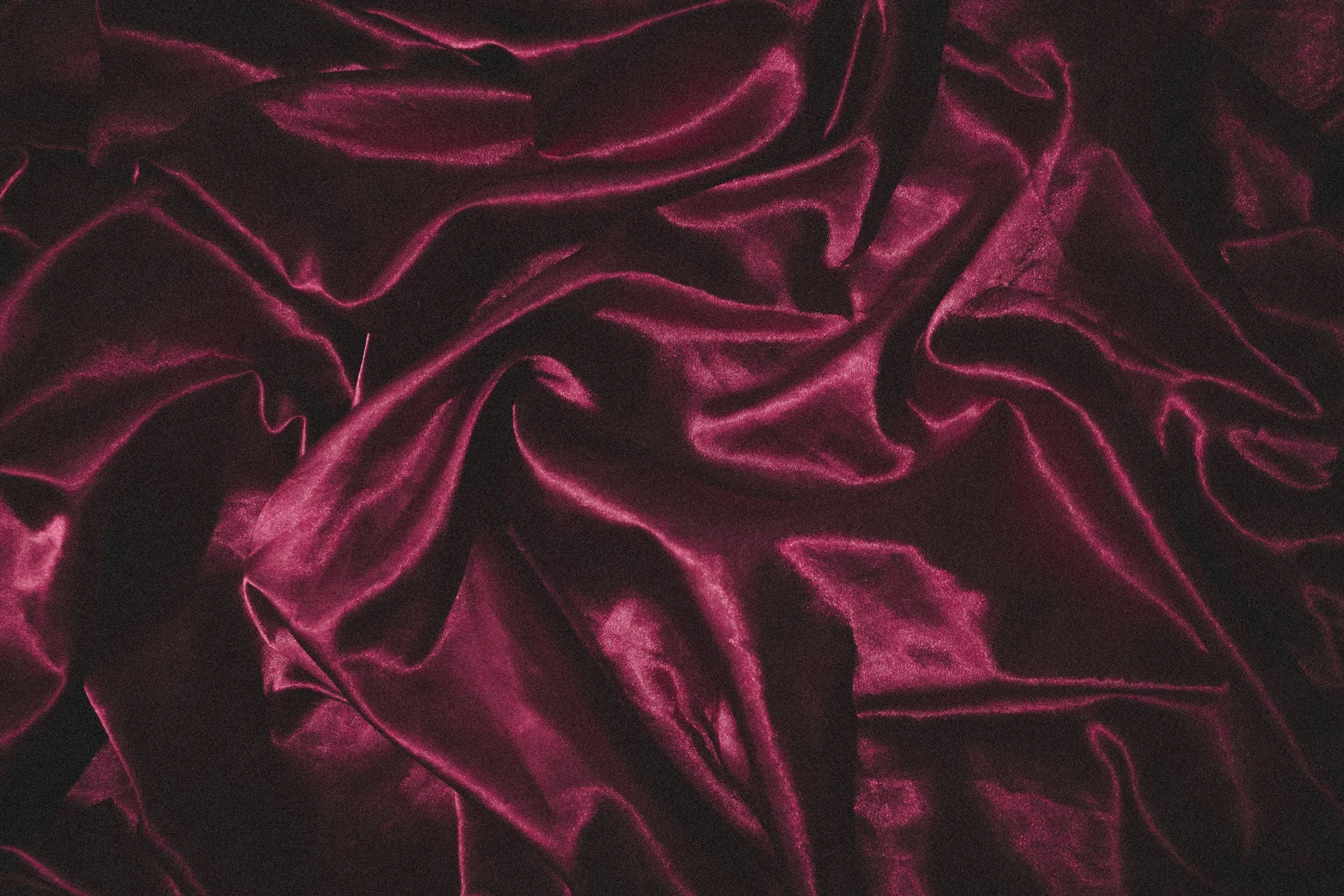
These words convey comfort, ease, and elegance:
Velvety
Silken
Plush
Satin-smooth
Creamy
Cushioned
Example:
“The kitten curled up on the plush, velvety sofa, sinking into comfort.”
2. Rough and Coarse Textures
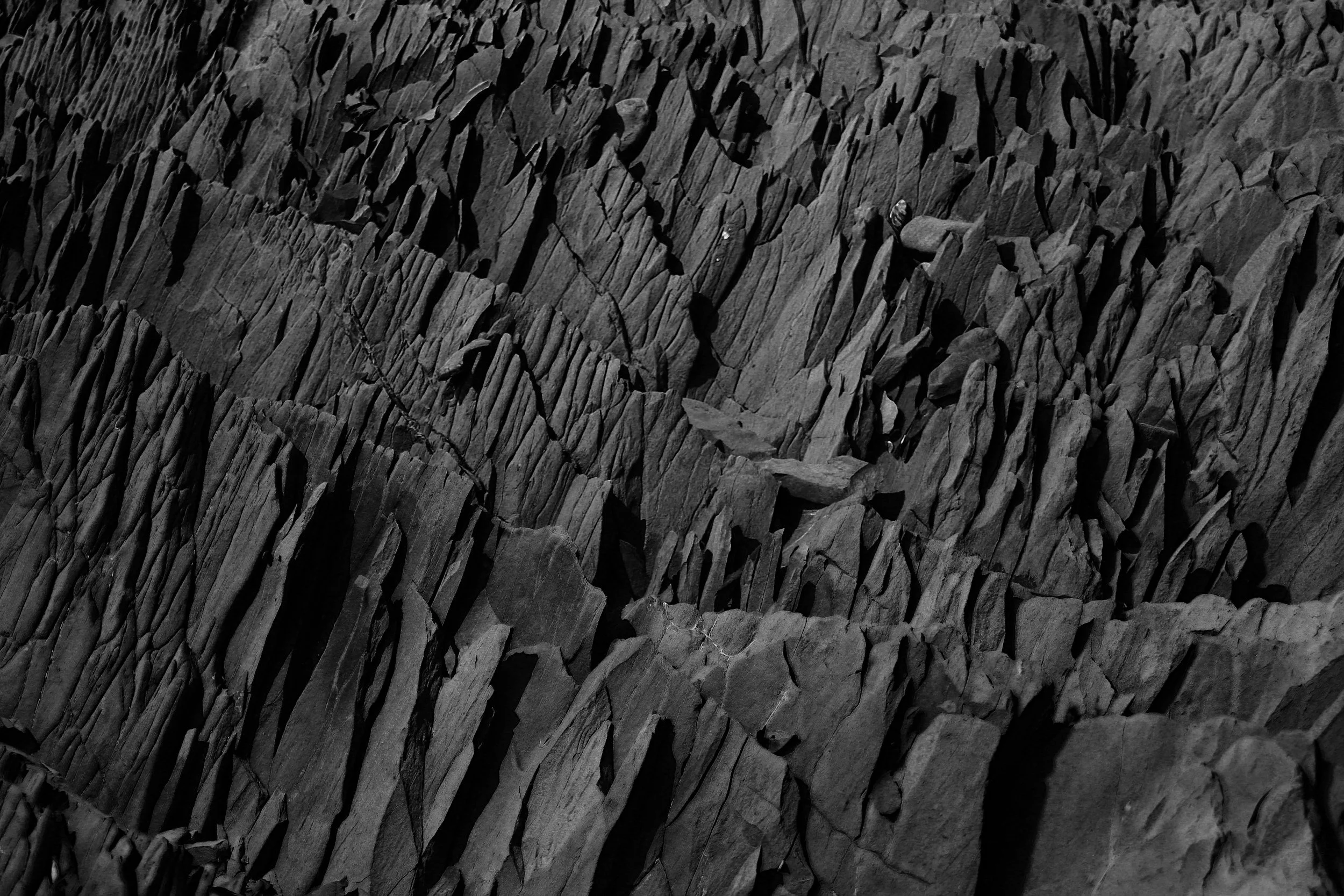
Perfect for tension, age, or grit:
Gritty
Rugged
Abrasive
Jagged
Splintered
Weathered
Example:
“Her hands brushed against the weathered, splintered wood of the old fence.”
3. Wet and Sticky Textures
Great for sensory depth and realism:
Slick
Slimy
Oozy
Mucilaginous
Clammy
Adhesive
Example:
“The cave walls were slick and clammy, reflecting faint light with every step.”
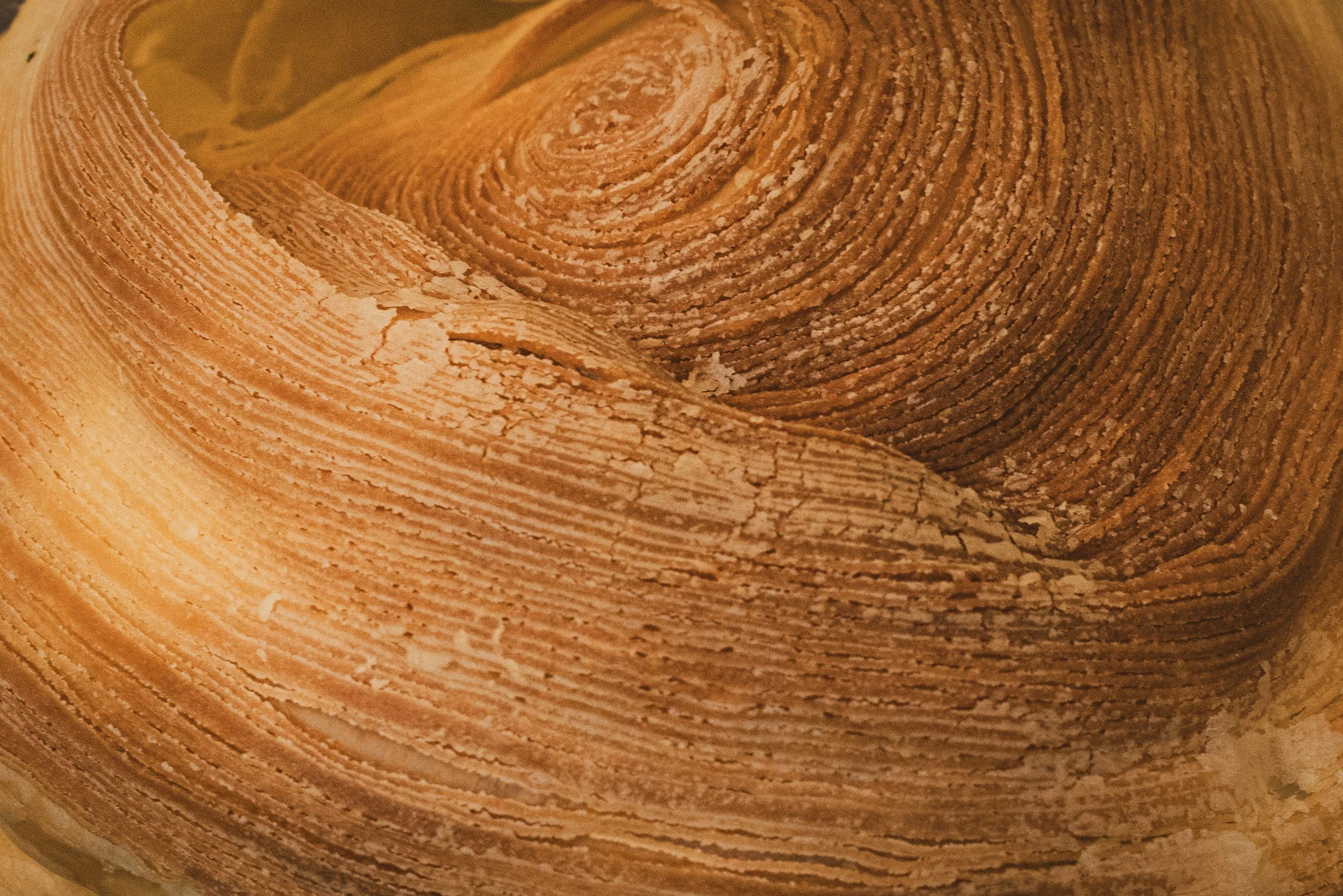
4. Dry and Brittle Textures
Ideal for showing decay or fragility:
Powdery
Crumbly
Flaky
Papery
Desiccated
Chalky
Example:
“The ancient pages were brittle and papery, threatening to disintegrate at a touch.”
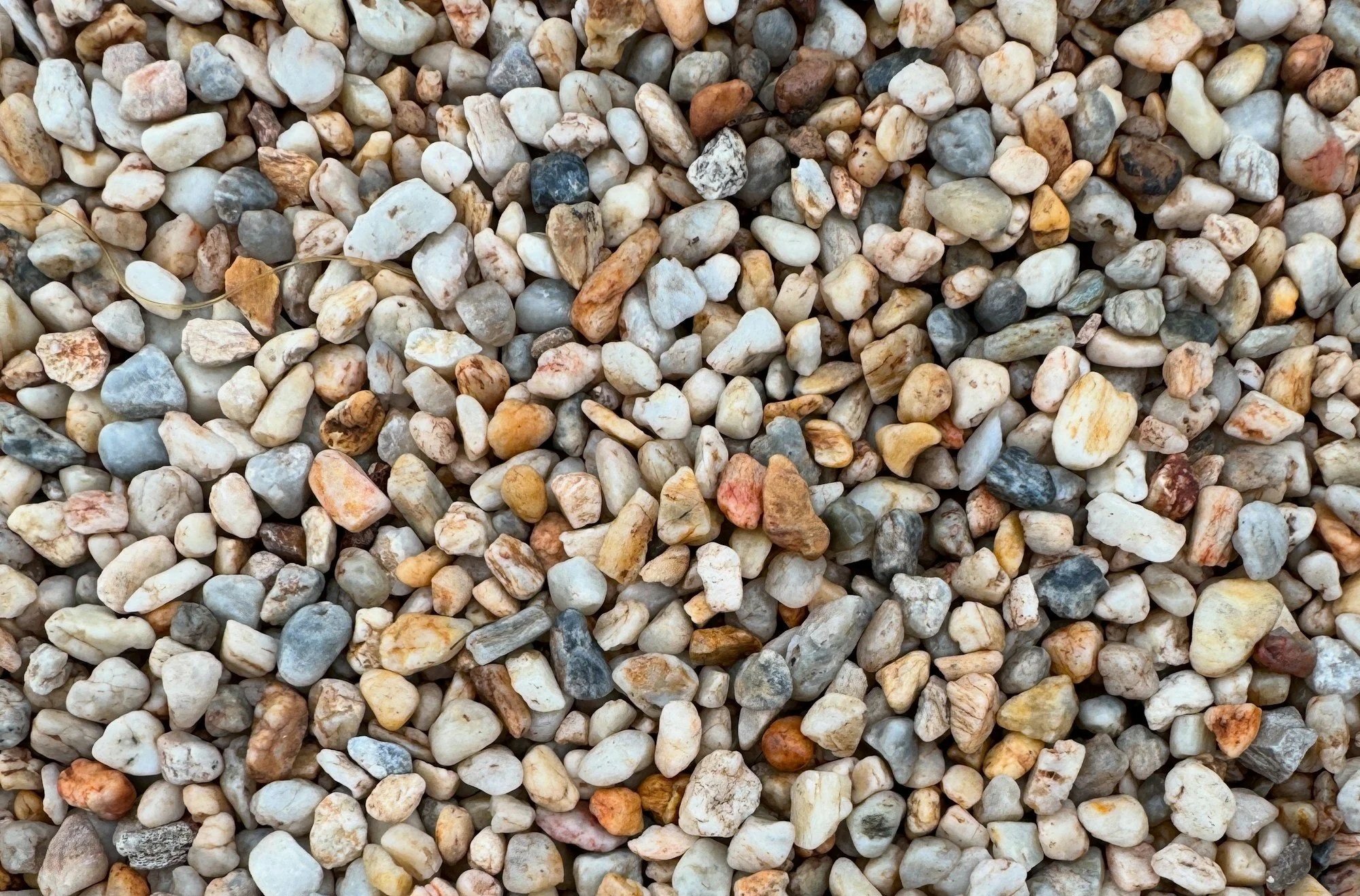
5. Hard and Solid Textures
Useful for strength and permanence:
Dense
Impenetrable
Rock-hard
Rigid
Steely
Compact
Example:
“The ground beneath her boots was rock-hard, frozen solid by winter.”
How to Use Texture Words Effectively
Be specific: Choose texture words that fit the mood and context.
Avoid overloading: One or two precise descriptors are more effective than a long list.
Connect texture to emotion: A texture often reflects how a character feels internally.
Mix with other senses: Texture is strongest when paired with sight, sound, or smell.
Final Thoughts
Texture words are small details that make a big impact. By consciously choosing descriptive, tactile language, you draw readers deeper into your world—helping them not just visualize your words, but truly feel them.
So next time you write, ask yourself: What does it feel like to touch this moment?