
Language of the Day: Moon Phrases
Moon Phrases in English: Meaning and How to Use Them 🌙
The moon has inspired English expressions for centuries. These moon-related phrases are commonly used in daily conversation, storytelling, and informal writing. Learning them can help you sound more natural and expressive, especially in speaking.
Below is a list of popular moon phrases, with clear meanings and guidance on how to use each one.
🌕 Over the Moon
Meaning: Extremely happy or excited
How it’s used:
This phrase is used in informal spoken English to express strong positive emotions, such as good news or success.
✅ Example:

She was over the moon when she got the job offer.
🌙 Once in a Blue Moon
Meaning: Very rarely
How it’s used:
Often used to talk about habits or events that do not happen often.
✅ Example:
I go to the cinema only once in a blue moon.
🌑 Cry for the Moon

Meaning: To ask for something impossible or unrealistic
How it’s used:
This phrase is more formal and common in writing or serious discussions.
✅ Example:
Expecting perfect results without effort is like crying for the moon.
🌕 Shoot for the Moon

Meaning: To aim very high or have ambitious goals
How it’s used:
Used in motivational speech and positive advice.
✅ Example:
Don’t be afraid to shoot for the moon in your career.
🌙 Many Moons Ago
Meaning: A long time ago
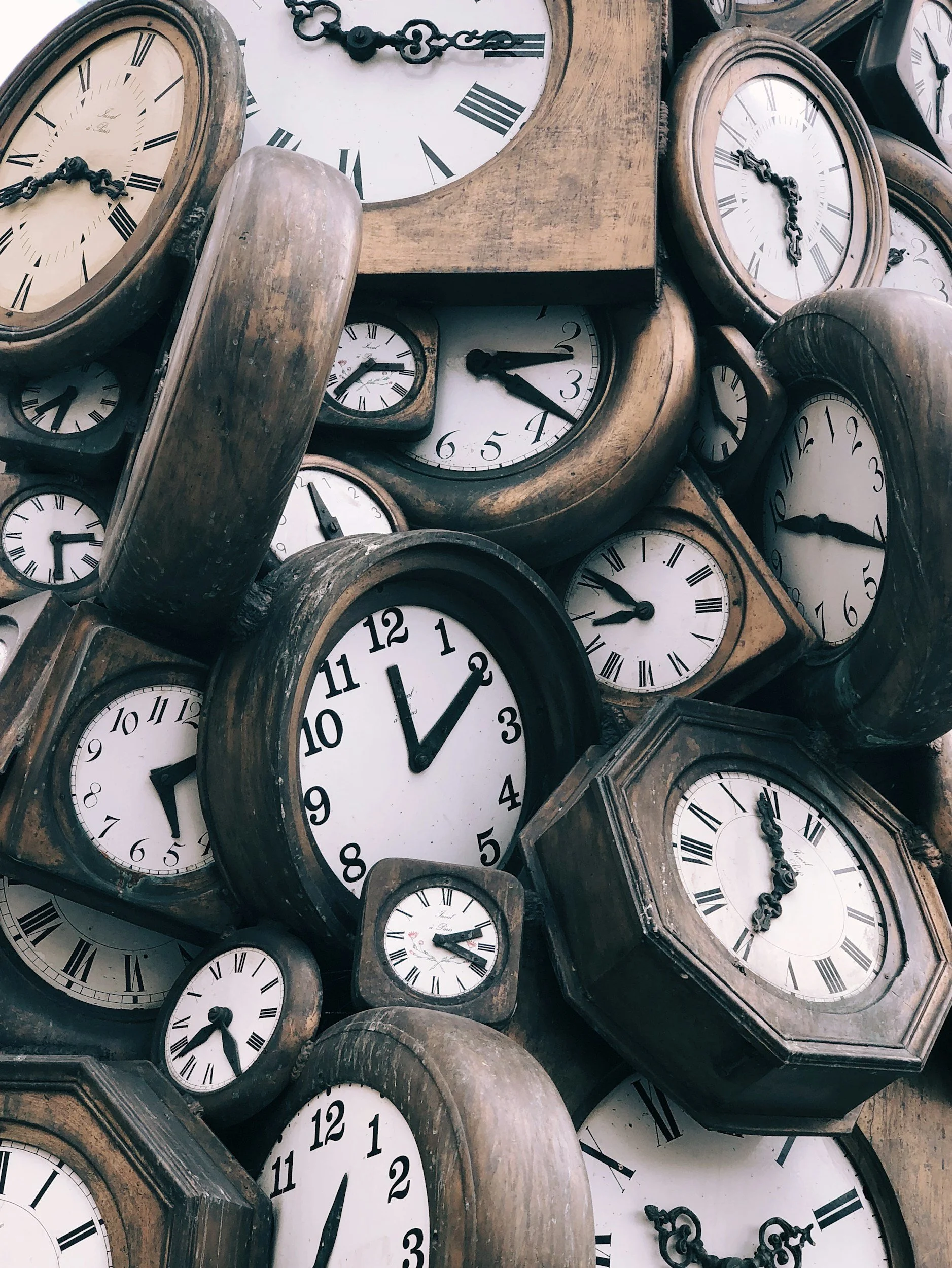
How it’s used:
Often used in storytelling or informal speaking to describe the distant past.
✅ Example:
We met many moons ago when we were in college.
🌕 Promise the Moon
Meaning: To promise too much or make unrealistic promises
How it’s used:
Common in discussions about business, politics, or personal trust.
✅ Example:
The company promised the moon but failed to deliver.

🌙 Moonlighting
Meaning: Having a second job in addition to your main job
How it’s used:
This term is common in work-related conversations.
✅ Example:
She is moonlighting as a freelance designer.

💖 Love You to the Moon and Back
Meaning: To love someone very deeply
How it’s used:
This is a fixed expression, not a formal idiom. It is commonly used in romantic messages, family conversations, and children’s books.
✅ Example:
I love you to the moon and back.
⚠️ Best for informal speaking or personal writing, not formal essays.
🌟 Final Tip for Learners
When using idioms and phrases:
Choose expressions that fit the situation and tone
Practice using them in full sentences
Focus on natural usage, not overuse
Even using one phrase correctly can make your English sound more fluent.