
Language of the Day: Phrasal Verbs about Emotions
When it comes to expressing emotions in English, phrasal verbs can make your speech sound natural and fluent. They add color and nuance to your language, which is especially useful for IELTS Speaking or everyday conversations. In this post, we’ll explore common phrasal verbs for emotions, their meanings, and examples.


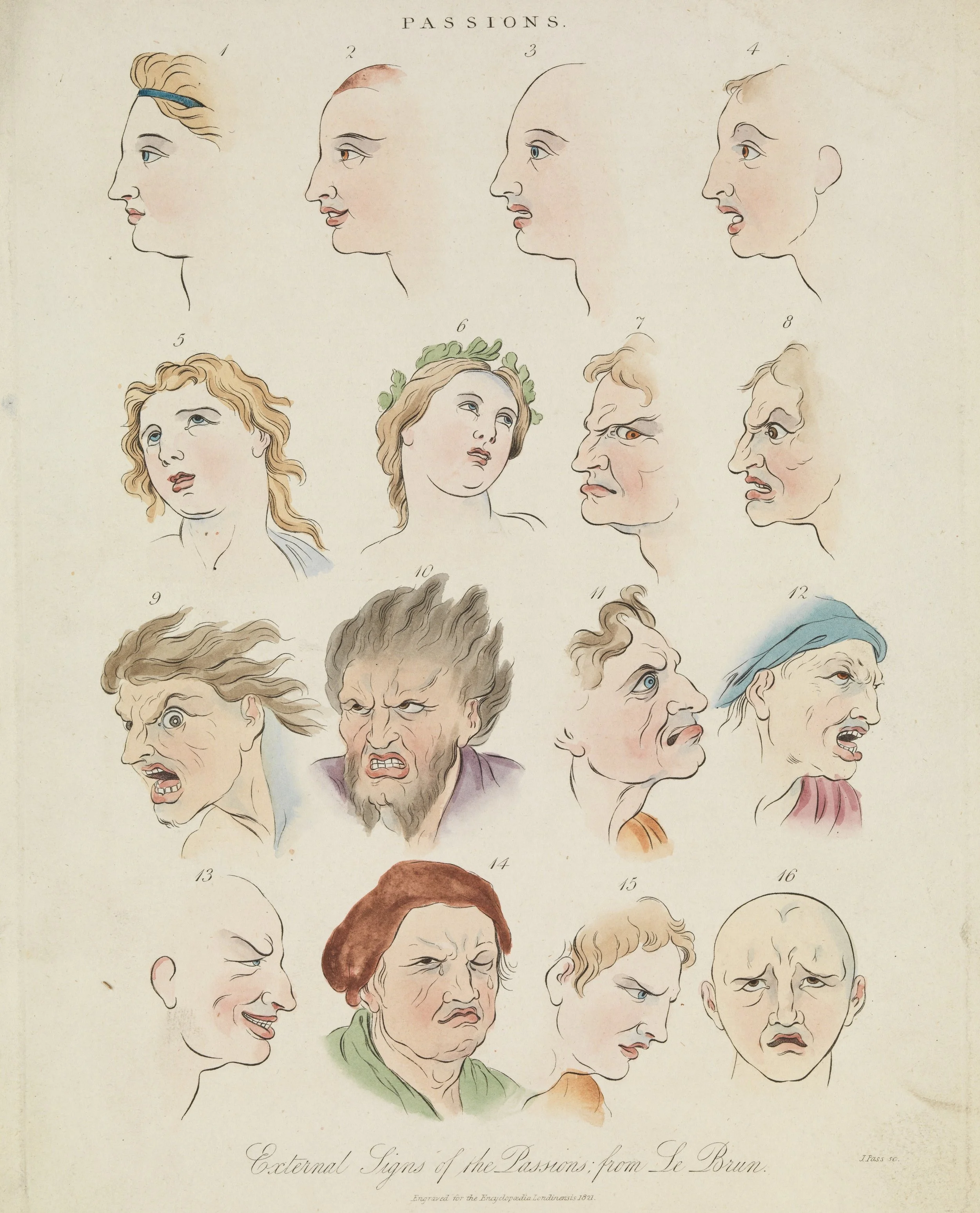
Why Use Phrasal Verbs for Emotions?
They make your language less formal and more conversational.
They help you sound like a native speaker.
They allow you to express subtle shades of feeling.
Top Phrasal Verbs for Positive Emotions
Cheer up – to become happier or make someone happier
Example: I was feeling down, but a call from my friend really cheered me up.Light up – to look suddenly happy or excited
Example: Her face lit up when she saw the surprise gift.Open up – to share feelings freely
Example: He finally opened up about his fears.Look forward to – to feel excited about something in the future
Example: I’m really looking forward to the weekend.
Phrasal Verbs for Negative Emotions
Break down – to lose control of emotions, often crying
Example: She broke down after hearing the bad news.Bottle up – to keep emotions inside instead of expressing them
Example: Don’t bottle up your feelings; talk to someone.Freak out – to become very anxious or upset
Example: I freaked out when I lost my passport.Get over – to recover from sadness or disappointment
Example: It took him months to get over the breakup.
Mixed Emotions
Go through – to experience difficult emotions
Example: He went through a tough time after losing his job.Work through – to deal with emotions gradually
Example: She’s working through her grief with therapy.