
Language of the Day: Winter Solstice
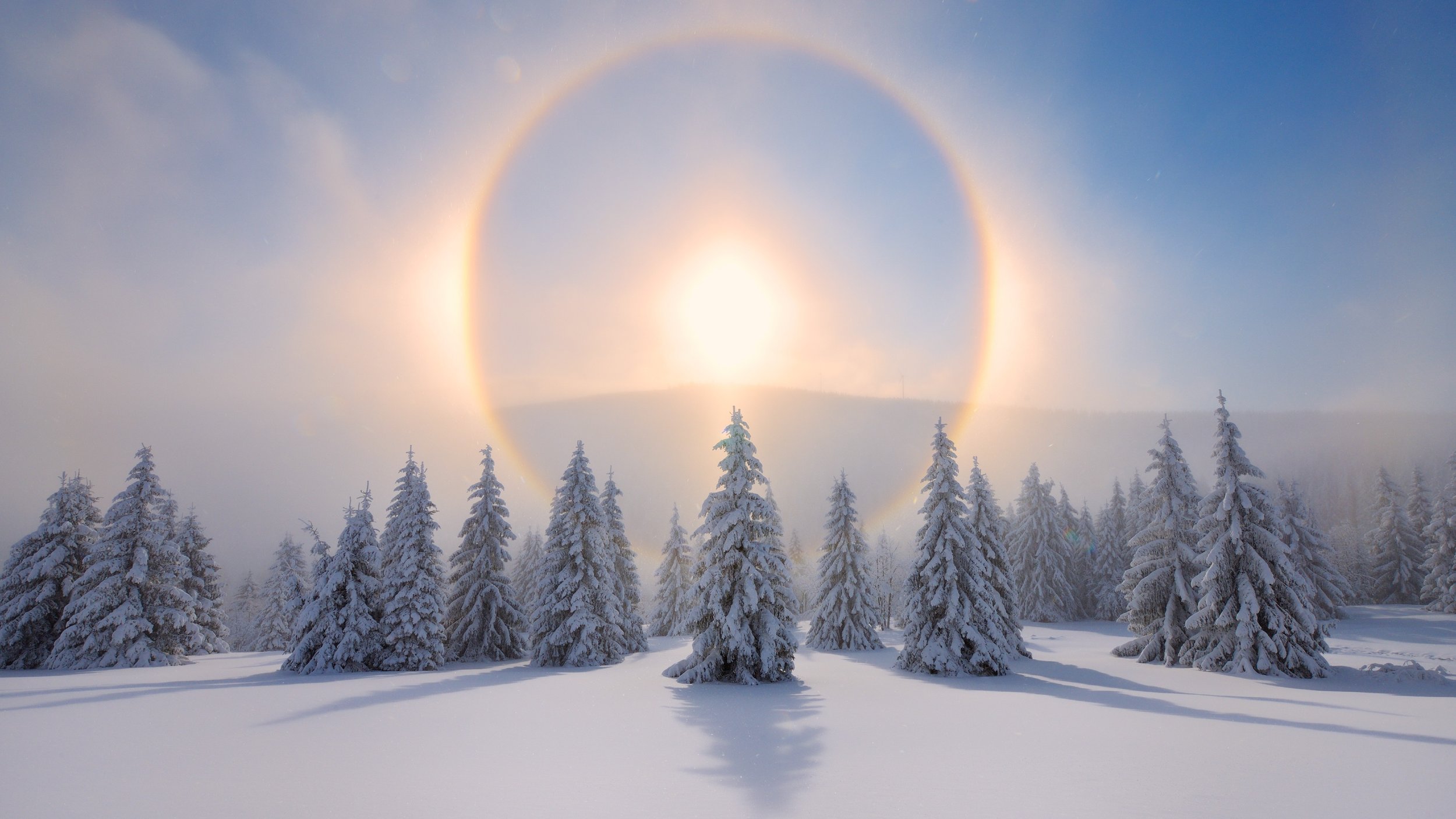
As the days grow shorter and the weather becomes colder, many people begin to look forward to the winter solstice. This special day has been celebrated for thousands of years in cultures around the world. But what exactly is it, and why is it important?
What Is the Winter Solstice?
The winter solstice is the shortest day and the longest night of the year in the Northern Hemisphere. It usually happens on December 21 or 22 each year.
The Earth travels around the Sun while tilted at an angle. During the winter solstice, the Northern Hemisphere is tilted furthest away from the Sun. As a result, the Sun appears lower in the sky, and there are fewer hours of daylight.
After the winter solstice, the days slowly begin to get longer again. This is why many people see it as a turning point in the year.
Key Vocabulary
Word Meaning
Solstice The time when the Sun reaches its highest or lowest point in the sky
Hemisphere Half of the Earth, such as the Northern Hemisphere
Daylight Natural light from the Sun during the day
Tilt To lean or slope in one direction
Turning point A moment when something begins to change
Why Was the Winter Solstice Important in History?
Long before modern calendars existed, people paid close attention to the Sun and the seasons. The winter solstice marked an important moment because it signaled that longer days were coming.
For farming communities, this offered hope. Winter was often a difficult season, with less food and colder temperatures. Seeing the return of longer days reminded people that spring and warmer weather would eventually arrive.
Many ancient cultures celebrated the winter solstice:
The Romans held a festival called Saturnalia, a time of feasting, gift-giving, and celebration.
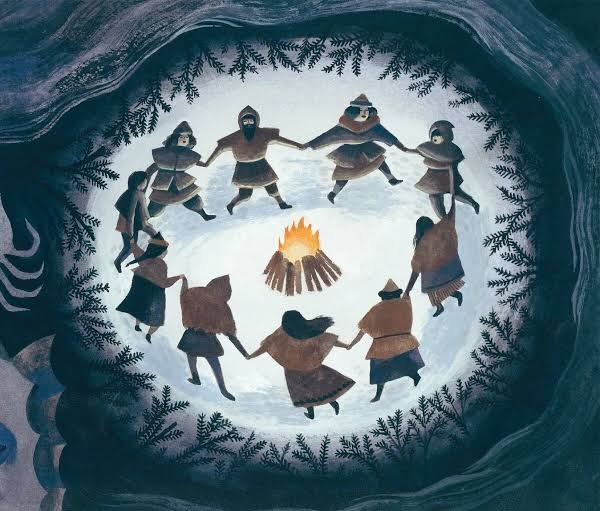
In Northern Europe, people lit fires and candles to welcome the return of the Sun.
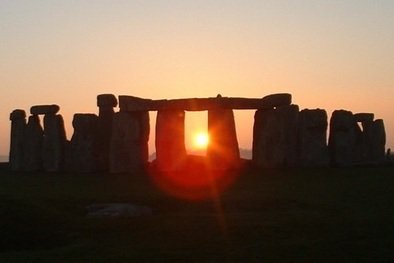
Ancient monuments such as Stonehenge in England were designed to align with the Sun during solstices, showing how important these events were to people thousands of years ago.
These celebrations often focused on themes of light, renewal, and hope.
How Is the Winter Solstice Celebrated Today?
Today, people observe the winter solstice in different ways.
Some attend festivals or community events. Others enjoy outdoor activities, light candles, or spend time with family and friends. In some places, people watch the sunrise or sunset to mark the occasion.
The winter solstice also occurs near many seasonal holidays, including Christmas and other winter celebrations. Although these holidays have different traditions and meanings, many share similar ideas about light, community, and new beginnings during the darkest part of the year.
For some people, the winter solstice is simply a chance to pause and reflect on the year that has passed and to think about the future.
Why Does the Winter Solstice Matter?
The winter solstice reminds us of the connection between Earth, the Sun, and the changing seasons. It is a natural event that affects everyone, no matter where they live.
It also carries a powerful message. Even on the shortest and darkest day of the year, brighter days are ahead. For many people, this makes the winter solstice a symbol of hope, resilience, and renewal.
Language Challenge
Try answering these questions in English:
What happens during the winter solstice?
Why was the winter solstice important to ancient farming communities?
How do some people celebrate the winter solstice today?
What does the winter solstice symbolize for many people?
Word of the Day: Renewal (noun) - the process of becoming new or fresh again.
Example sentence:
"The winter solstice is often seen as a time of renewal because the days begin to grow longer after it."